ISF’s Life Skills Programme Update
Life Skills Programme Presentation to ISF Students’ Parents
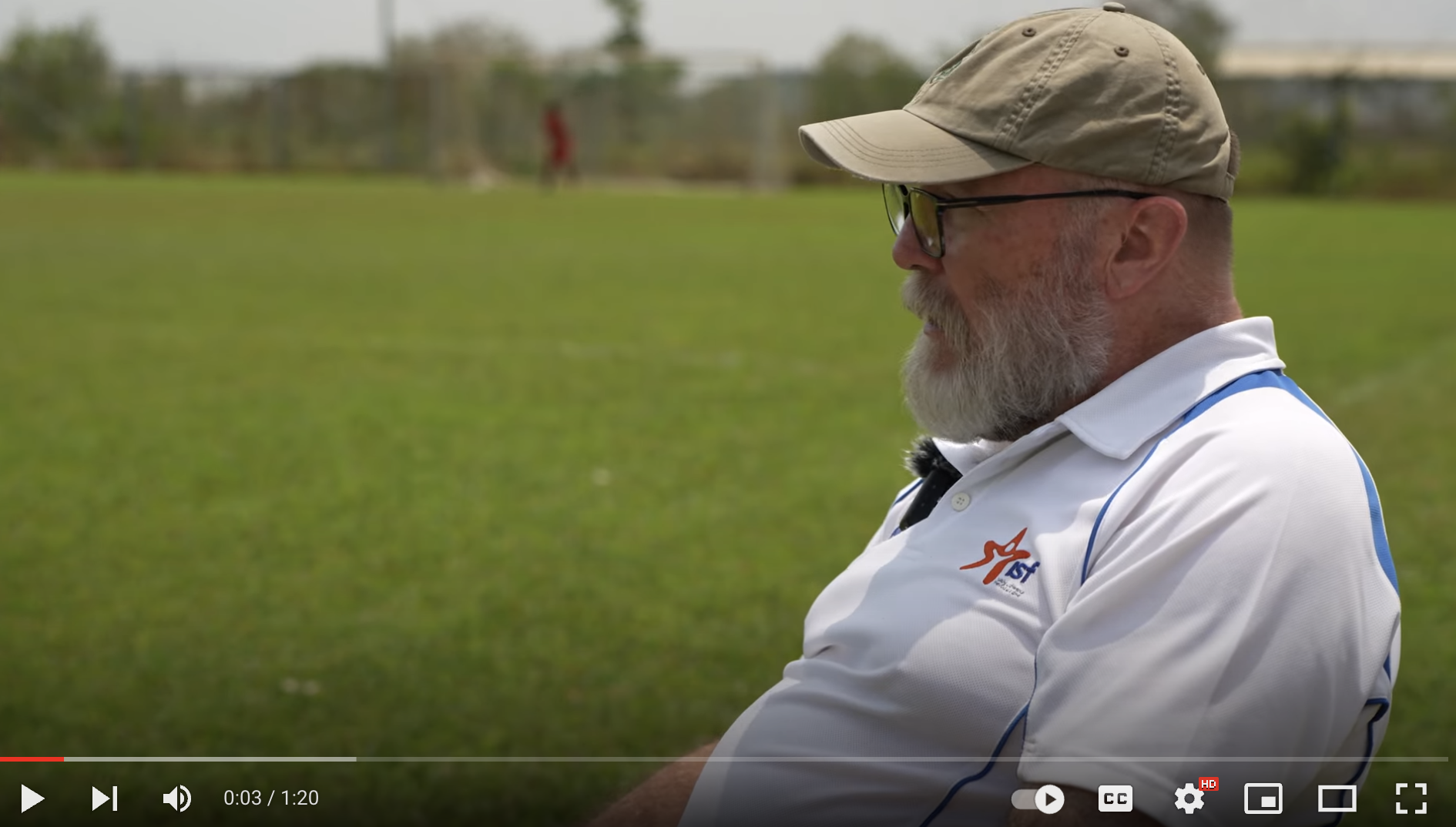
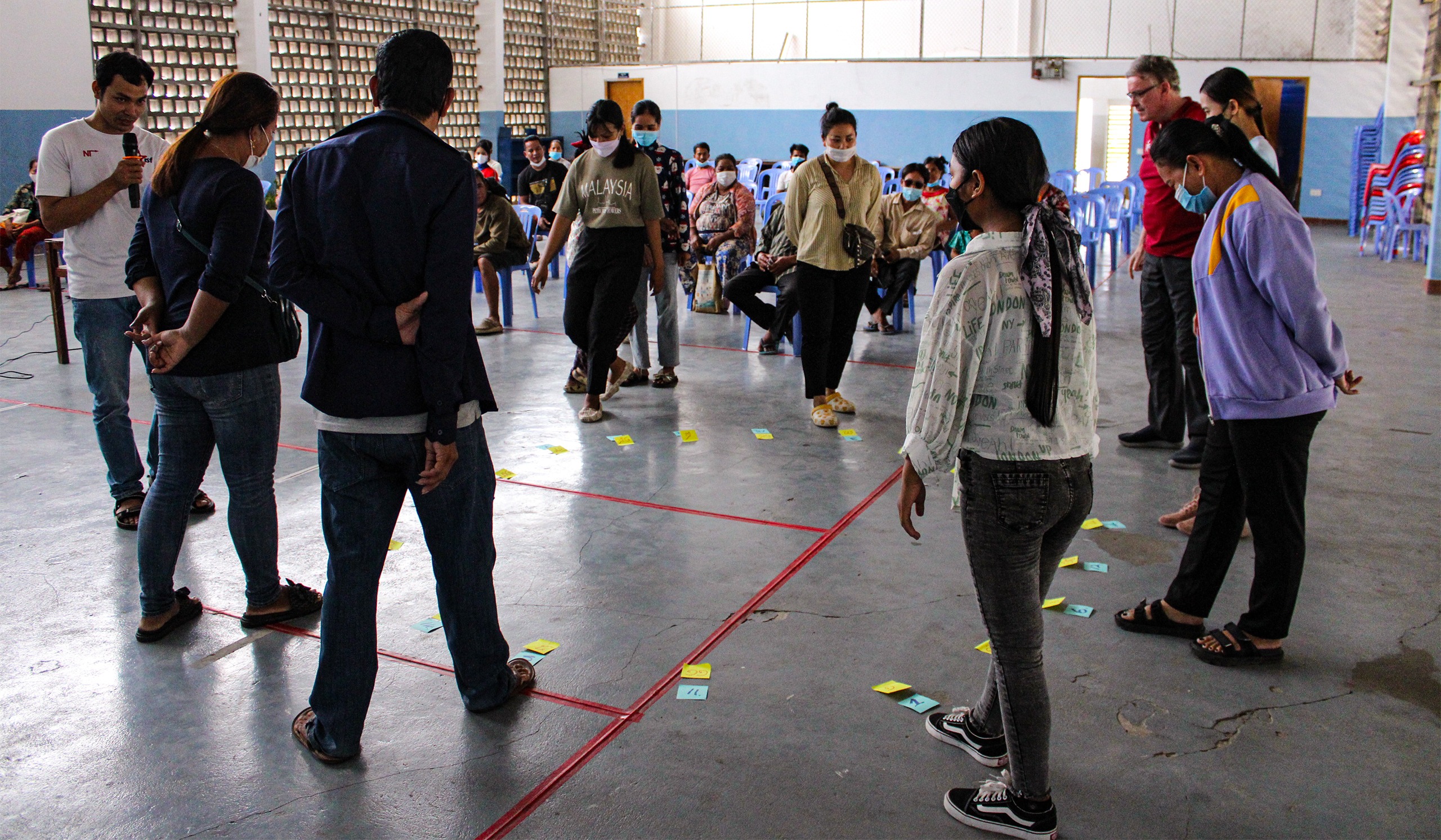
ISF underscored the life skills message in two meetings on 25 July and 29 July in Phnom Penh with a presentation, led by ISF’s Richard Dobbie, to 218 parents. The sessions raised awareness of the life skills project, promoted the long-term benefits for students of essential life competencies, and encouraged parents to keep their kids in the program.
Richard and his team highlighted the question: What is Life Skills Programme? And why is it important for ISF students? Then Richard invited the parents to play a game called Roulette. The parents really enjoyed the game. To win it, parents had to set goals, communicate with each other and demonstrate teamwork in role playing as both leaders and followers.
The payoff came after the game when parents reflected on the life skills that were illuminated and the objectives fulfilled. The lessons learned — and the authentic benefits of ISF’s Life Skills Programme — were discussed and could be passed on to their children. Overall, it was a powerful message that motivated parents to motivate their kids to take advantage of this ISF programme.
This project is an integral part of ISF’s Education and Employment Programmes, designed to enhance beneficiaries’ opportunities after leaving school. As students get older, the school introduces skills development training and mentorship. It teaches students transferable skills with action-based learning, leading to sustainable, positive habits.
In 2022, the project’s student-led teams planned and implemented projects such as community cleanups, installing vegetable gardens and starting compost sites. The students emphasized leadership, teamwork and project management. The projects highlighted awareness of the impact of climate change, the benefits of composting and correct waste management.
As the course progresses, ISF’s Life Skills Project team will integrate into the curriculum biology, general science and math — foundational disciplines that contribute potentially to good jobs and careers for former students and positive outcomes for Cambodian society.