International Day of the Girl – Every Girl Counts

October 11th was International Day of the Girl, a day to celebrate the great achievements and potential of girls everywhere. At ISF, we see the courage and strength of girls every day and their dedication never ceases to inspire us.
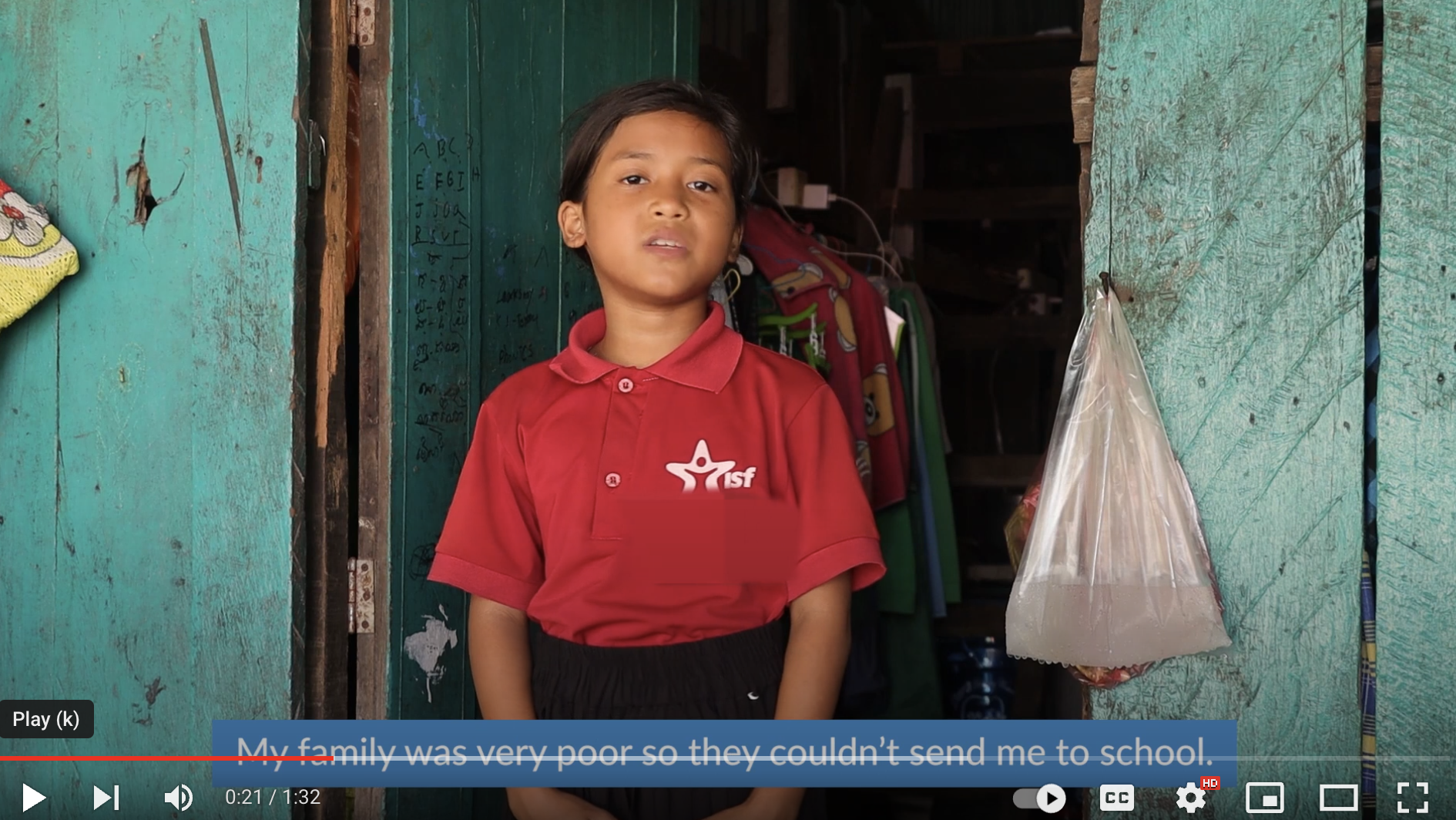
Cambodian girls have to face and overcome innumerable barriers. According to the surveys we conducted in our communities, parents usually prioritize their sons’ education and consequently daughters have limited education and work opportunities and can face high levels of physical and sexual violence. Furthermore, cultural traditions and stereotypes favour men over women, perpetuating discrimination and social exclusion. Although these disparities that affect girls and women are a significant obstacle to the Sustainable Development Goals (SDG), ISF is working tirelessly to give its own contribution to the achievement of the fourth and fifth SDGs: quality education and gender equality.
Through its Education programme, ISF ensures that girls and boys have equitable access to education. Over 550 young people are supported and 50% of students are female. In order to change traditional socio-cultural norms involving gender, we believe that engaging men and boys in efforts to reduce discrimination against women is important. We regularly organize workshops in our communities and extra activities for our students at ISF Education Centres which promote gender equity and improve understanding, communication and cooperation between men, women, girls and boys.
ISF has made significant progress in reducing inequities not only through access to education, but also through football! Worldwide, girls are less likely than boys to participate in football and sport, which continue to be dominated by males. However, our local research demonstrates there is significant will and interest from girls but that poverty, domestic expectations, cultural traditions and stereotypes prevent their participation. For girls to play football in Cambodia is to challenge nearly everything it means to be a woman. Cambodian girls are supposed to be reserved and obedient and are as likely as boys to adhere to gender stereotypes. When interviewed, *Raksmey, one of our football players, confirmed: “At first I thought I couldn’t play football. I thought I was weak and that it wasn’t appropriate for a girl. What would my family and friends think about me? I was so wrong…”. Today, Raksmey plays on the U14 Girls team in weekly coaching and when the league season begins in November, she’ll be back to competing with girls just like her, who are challenging stereotypes at their schools and in their communities.
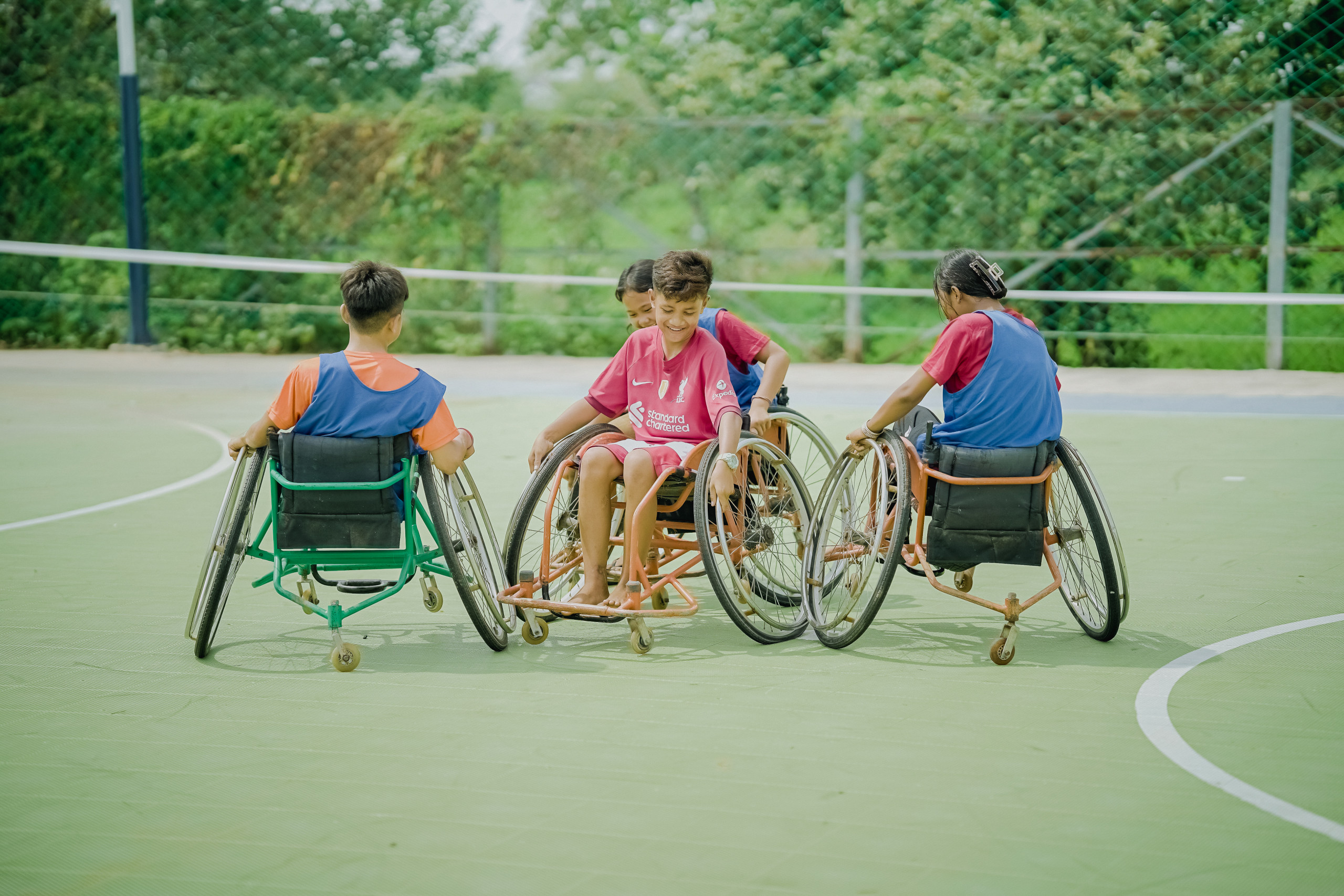
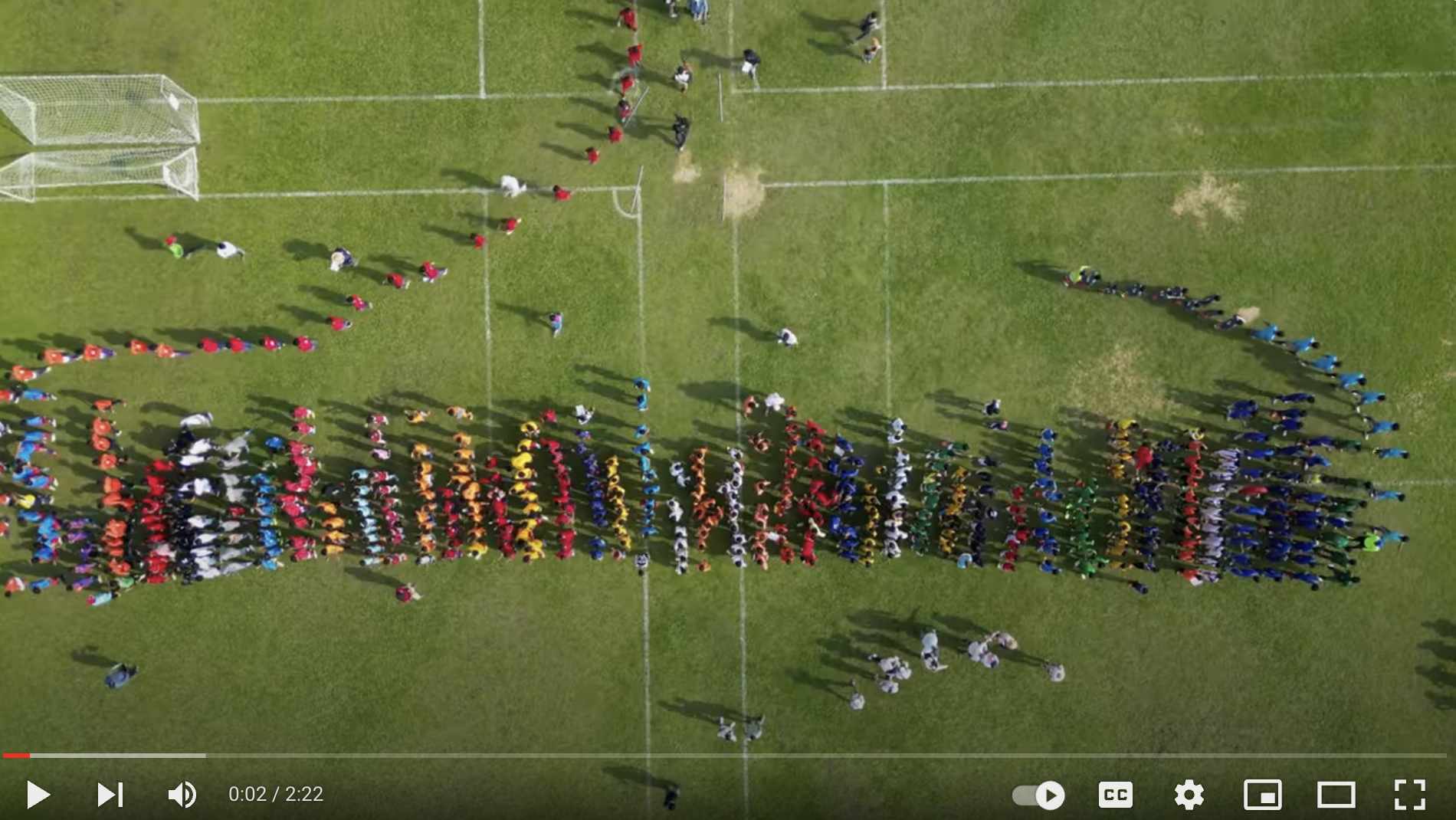
Female football is still in its infancy in Cambodia as sport is strongly gender biased. Through ISF’s Football programme and the Girls Tournament in particular, we increase girls’ access to quality football training and competitive matches. The impact of girls succeeding in a traditionally male-dominated area is challenging gender discrimination in the communities we work in as well as providing opportunities for peer-to-peer education and mentoring through coaching. We encourage both boys and girls (with a particular emphasis on the formation of girls’ teams) to participate and we have male and female coaches and almost half of the players are now girls. The skills demonstrated by the girls on the football ground have changed negative views about females playing football. While initially skeptical, the people in our communities have come to regard girls as capable players and to understand the benefits and importance of sport for girls and boys alike.
Furthermore, our female coaches act as role models to other girls, offering visible proof that women can excel and lead in society. Rina, ISF football coach, is a vivid example of this. She now coaches four teams, but she teaches so much more than just football:
“Through football, I aim to empower girls who come from a disadvantaged background and live in poverty. Traditional gender roles and stereotypes of women in Cambodian society prevent girls from achieving their dreams. I don’t want girls to settle for what society told them they are capable of. I believe that they can achieve their dreams. I used to be very shy and I always stayed at home doing housework because that’s what everybody expected me to do. But since I started playing and coaching football, I have travelled abroad, played and coached football matches and met so many interesting people from all over the world. Football changed my life!”
Through our Education and Football programmes, we aim to inspire young women to step up and become leaders of change in their communities alongside their brothers and peers. International Day of the Girl reminds us that both boys and girls can be the leaders of tomorrow and of just how important our work is to give girls the step up they need through equal access to education, sport.