International Day of Sign Languages


UN INTERNATIONAL DAY OF SIGN LANGUAGES
Communication is a fundamental right that isn’t accessible to all.
21-year-old Rim Sophanna excitedly gestures to his friends. Tying his shoes and stepping out on the football pitch, he feels free from the isolation that oppresses nearly 61,000 people across Cambodia.
Sophanna is deaf. However, he considers himself fortunate. An athlete in ISF’s All-Abilities Football Programme, and a student at one of Cambodia’s five schools for the deaf or hard-of-hearing, he has access to the country’s limited number of resources to help guide and support him.
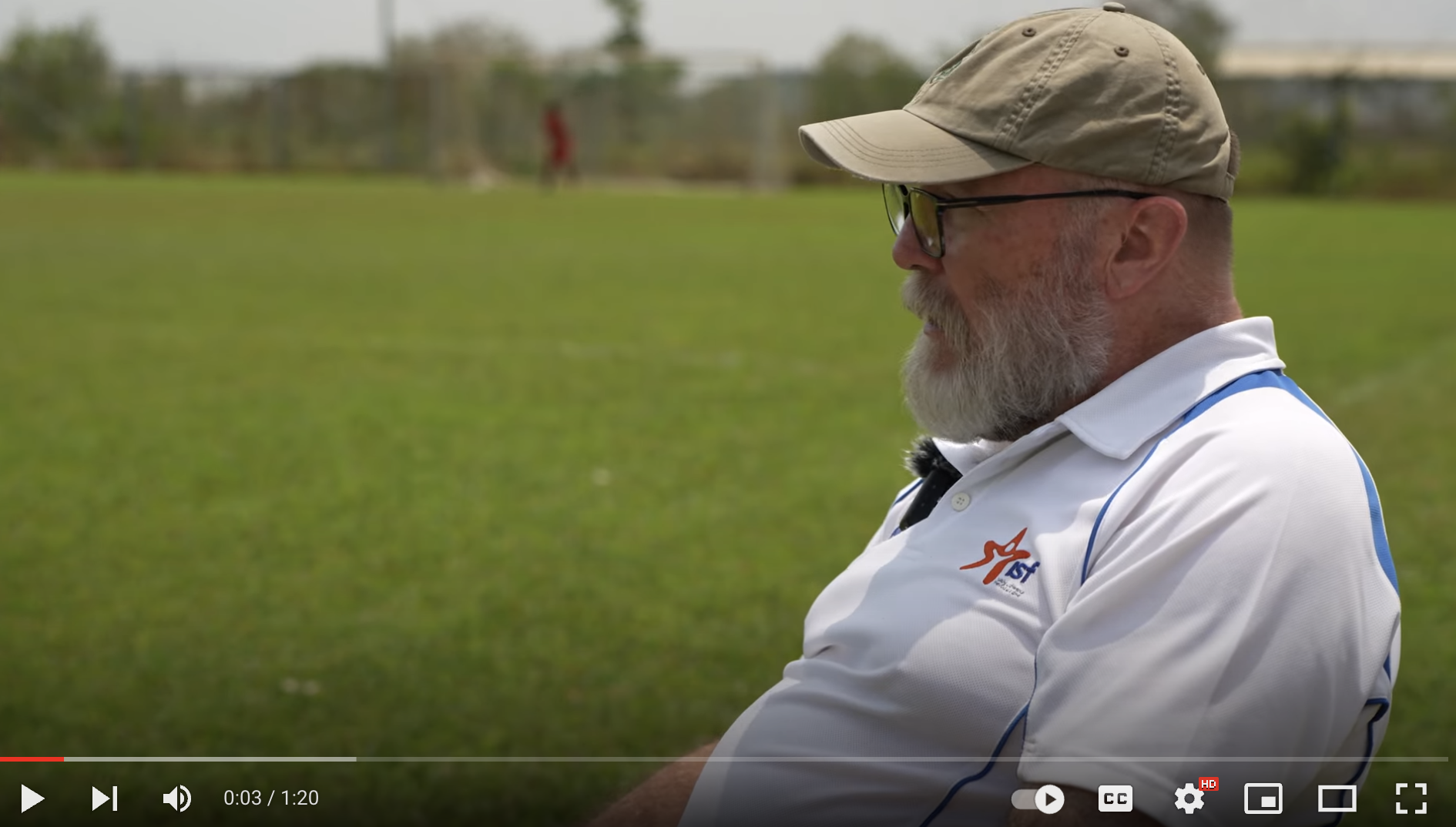
In Cambodia, the deaf community is often stigmatised. Charles Dittmeier, the Director at Maryknoll Deaf Development Programme (DDP) shares that because there isn’t widespread knowledge about invisible disabilities, the community is often misunderstood and considered mentally ill or “crazy”.
With no established or formalised sign language, families with deaf children often communicate through a primitive set of 25-50 signs developed within each household to convey a set of orders or asks. However, these familial signs are often underdeveloped and don’t allow the deaf or hard-of-hearing to communicate or express themselves.
Cambodian Sign Language, or CBDSL, was first introduced to Cambodia in 1996 by the Finnish Association of the Deaf. However, with untrained teachers and a lack of consistency in the language’s tongue, the progression of CBDSL has been slow.
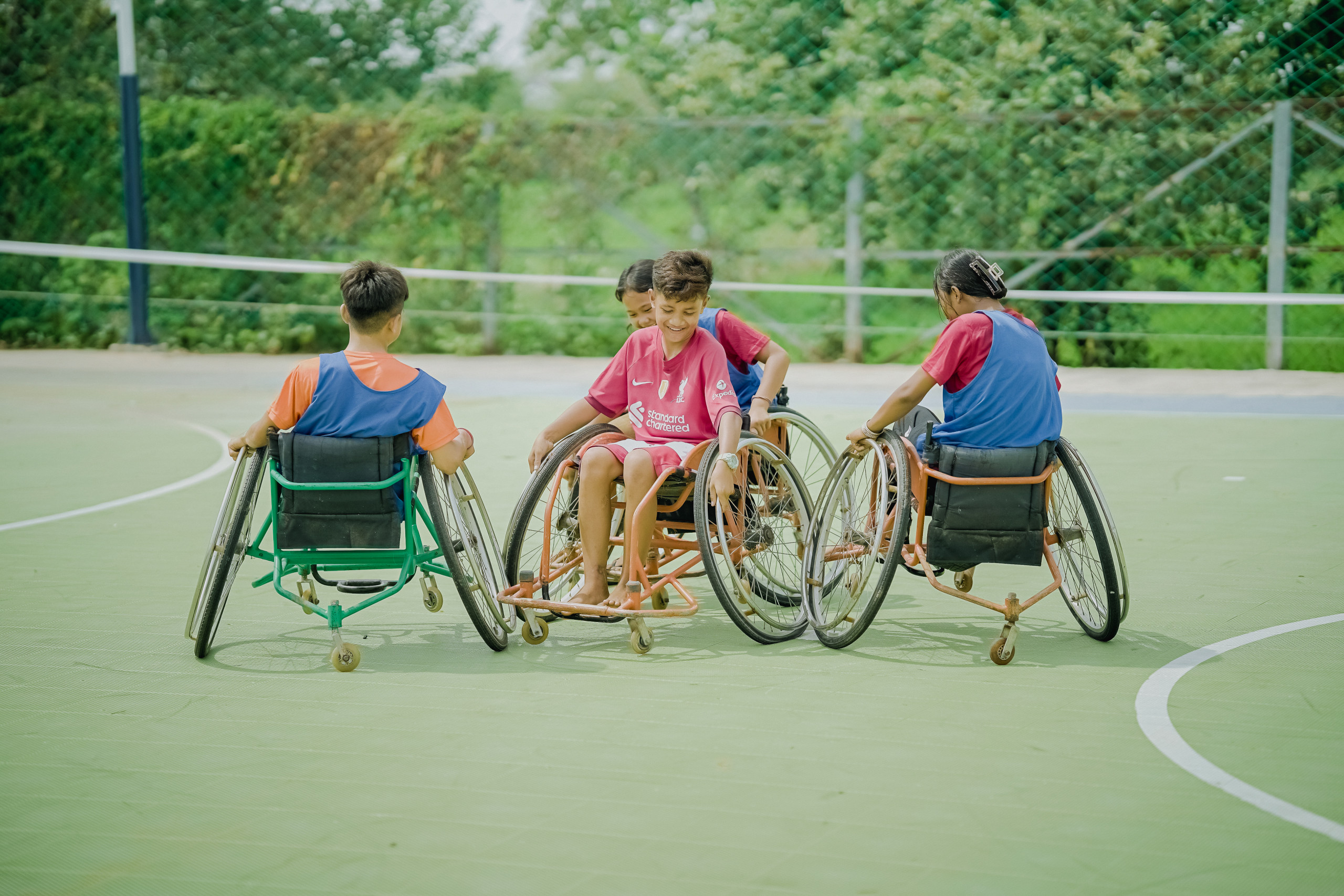
ISF’s All-Abilities Football Programme was formed to better the lives of Cambodia’s stigmatised community. Sophanna explains that the programme is not only fun but frees the deaf community of isolation through the programme’s opportunities to play football and attend sporting events and training. When he communicates with his family, he points or uses objects, but in ISF’s All-Abilities Football Programme, he signs with his coaches and teammates, who are fluent or familiar with CBDSL.
According to Dittimier, the All-Abilities Football Programme is also helping the progression and evolution of CBDSL. “ISF bringing people together [through their All-Abilities Football Programme] is really valuable for the deaf community.” As deaf athletes, like Sophanna, come together as a community, they learn new words, develop the language, and establish how to best express themselves.
Less than 25 years old, Sophanna is eager to see how the language will continue to progress and grow. He hopes that more people in Cambodia will learn sign language and communicate with deaf or hard-of-hearing people.