Building a Better Future for Girls
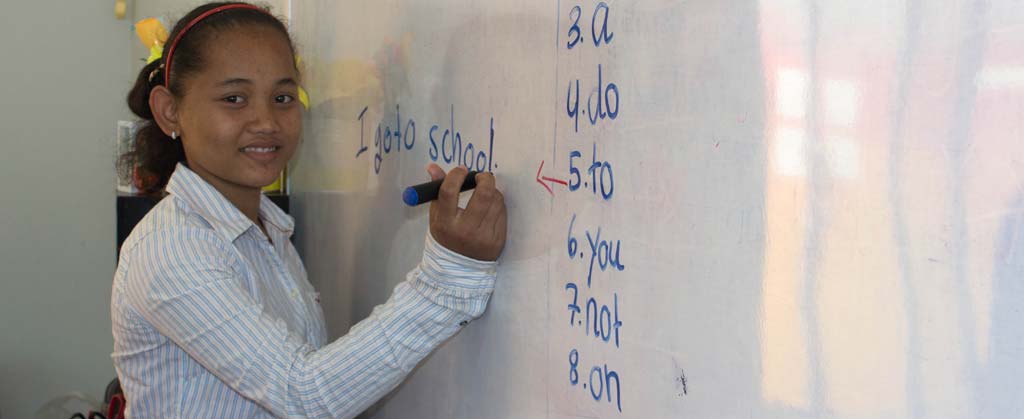
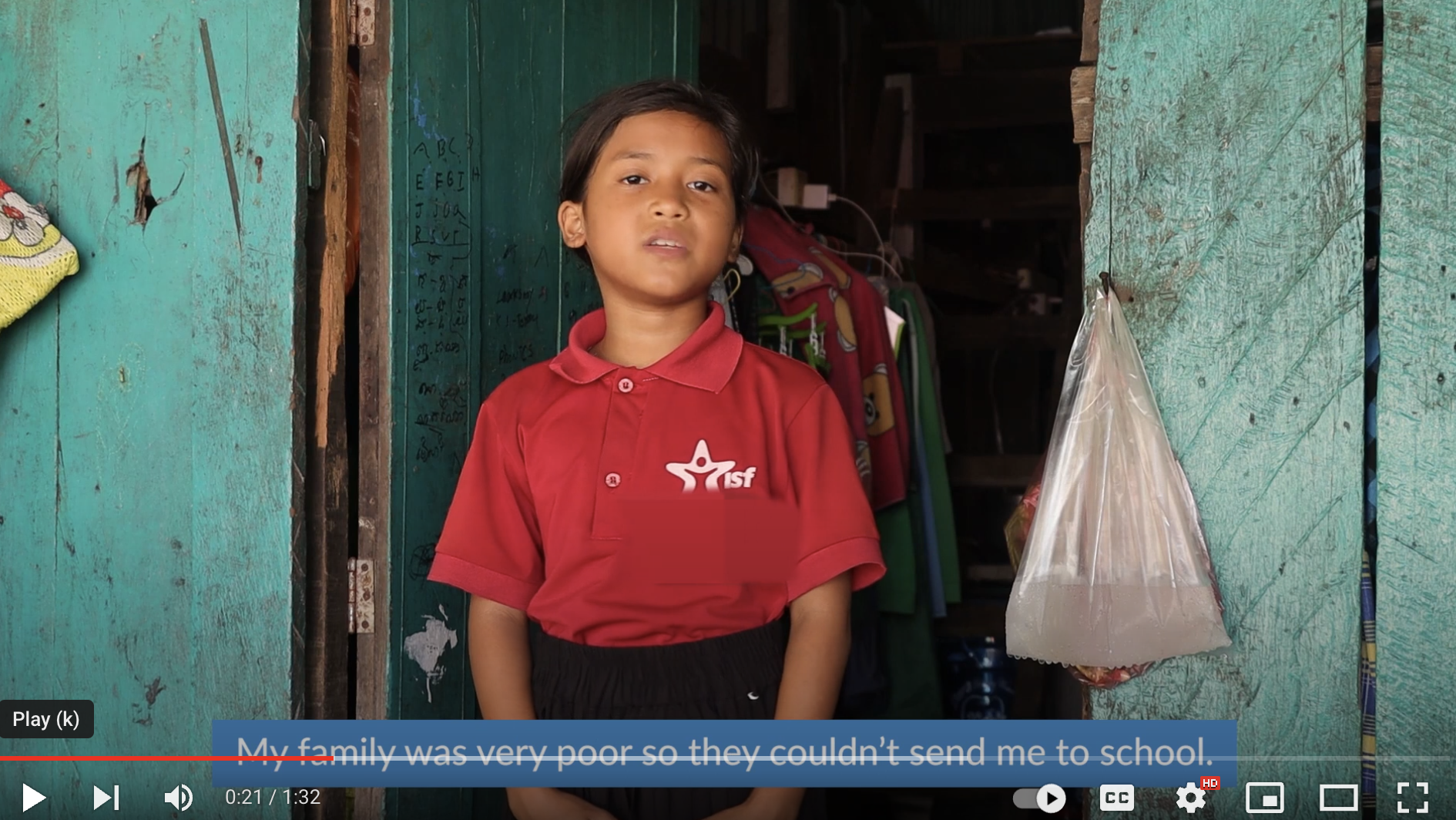
Sreynae smiles as she unpacks her school bag and gets ready for her English class. Just six years ago, she was out of school; working in her mother’s market stall and taking care of her siblings. Today she ranks top of her class and is planning to become a police offer, “I want to help my society, so I am going to study hard to understand law.”
As people all over the world celebrate International Women’s Day, here at ISF we’re reflecting on the challenges girls like Sreynae face in getting an education. Globally, 63 million girls are out of school. This means they either never had the chance to go to school or had to drop out before graduating. Poverty exacerbates the problem and as girls get older, they are taken out of school to take care of their siblings or get married and start their own families.
In Cambodia, close to 150,000 girls are not getting an education. Research done by ISF in our communities found that the vast majority of parents would sooner send their sons to school than their daughters. Cultural beliefs and traditional norms influence the decisions parents in ISF’s communities to keep girls out of school.
Many parents say it is easier for girls to find a job without education than it is for boys. Girls can get low-skilled work in a garment factory or in the local market. Parents believe that when a girl gets married her husband will be the main breadwinner and girls should learn to take care of children. There’s no need to invest in a girl’s education because she will not have to get a good job.
ISF believes that girls and boys should be given equal access to schooling. Together with the C&A Foundation, we are making sure girls get access to quality education. When families apply to ISF we take the children that are in most in need, no matter their gender. To explain why we do this and encourage parents to send their girls to school, we work closely with our communities to help them understand the benefits of educating girls. Educated girls earn more, are healthier and have healthier children and families.
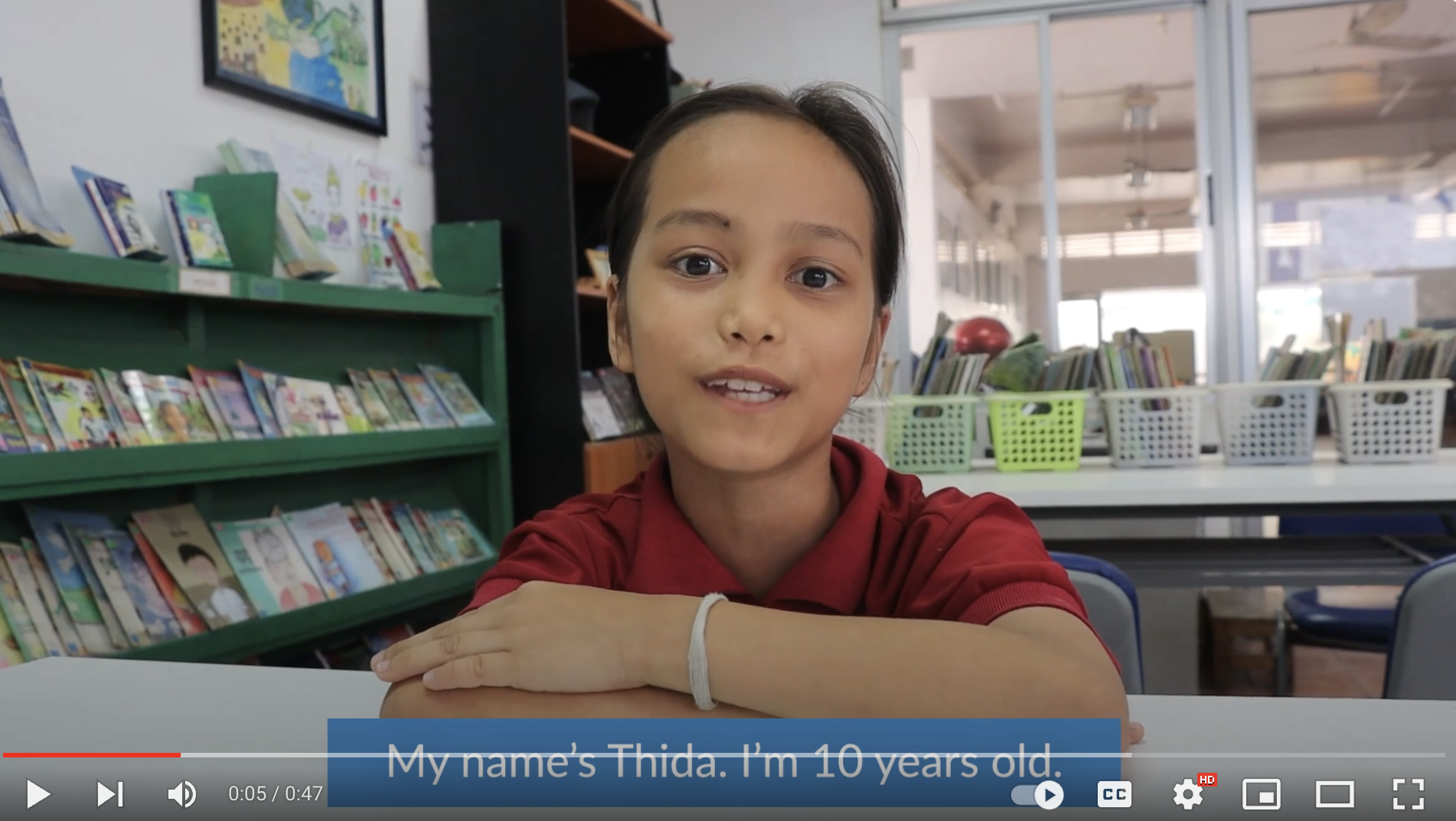
Slowly but surely we are seeing a shift in parents’ thinking on girls education. They are proud of their daughters who go to school and are seeing them aspire to and achieve more. Role models like Sreynae and Thida, our first student to graduate from secondary school and go to university, are living proof of the positive impact that educating a girl has on her own life and that of her whole family.
Why not join ISF in taking action today by making a #PledgeforParity?