How the Pandemic Threatens Many of Our Student’s Futures
How the Pandemic Threatens Many of Our Student’s Futures
After months of online lessons and weekly homework preparation, the ISF team is busy making final preparations to reopen schools as we know nothing can live up to face-to-face learning. While opening again is an exciting milestone, this does not mean that the battle against COVID-19 and the subsequent challenges it has brought to our communities is won. That’s why we are happy to put in the enormous amount of work required to reinstate our full programme and make classrooms hygienic for our students’ return.
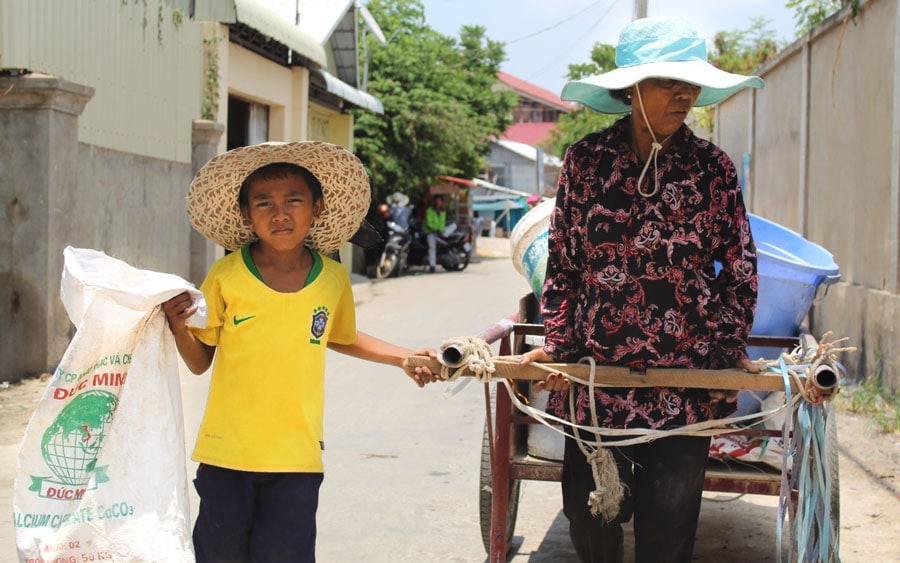
As in many low income countries around the world, the economic impact of the pandemic cannot be understated. With the United Nations Development Program predicting that the number of Cambodian’s experiencing poverty this year will double to 17.6%, many of the families we work with will be facing even greater hardship than before. Many have lost their jobs in factories and have told us that they are struggling to make ends meet.
That means that we are going to be facing an even greater uphill battle to keep children in education, given that there will be even more pressure on many of them to drop out and earn money to support their families. Our community teams have already heard from a handful of our students who don’t think they can return because their family’s economic needs are simply too great.

Follow us on Facebook
Join us on our journey to provide opportunities for sport to over 3,500 underprivileged Cambodian children, as well as education, healthcare and nutrition to another 700.
Like our Facebook page to share in our successes, hear about events and find out how you can help these vulnerable youth.
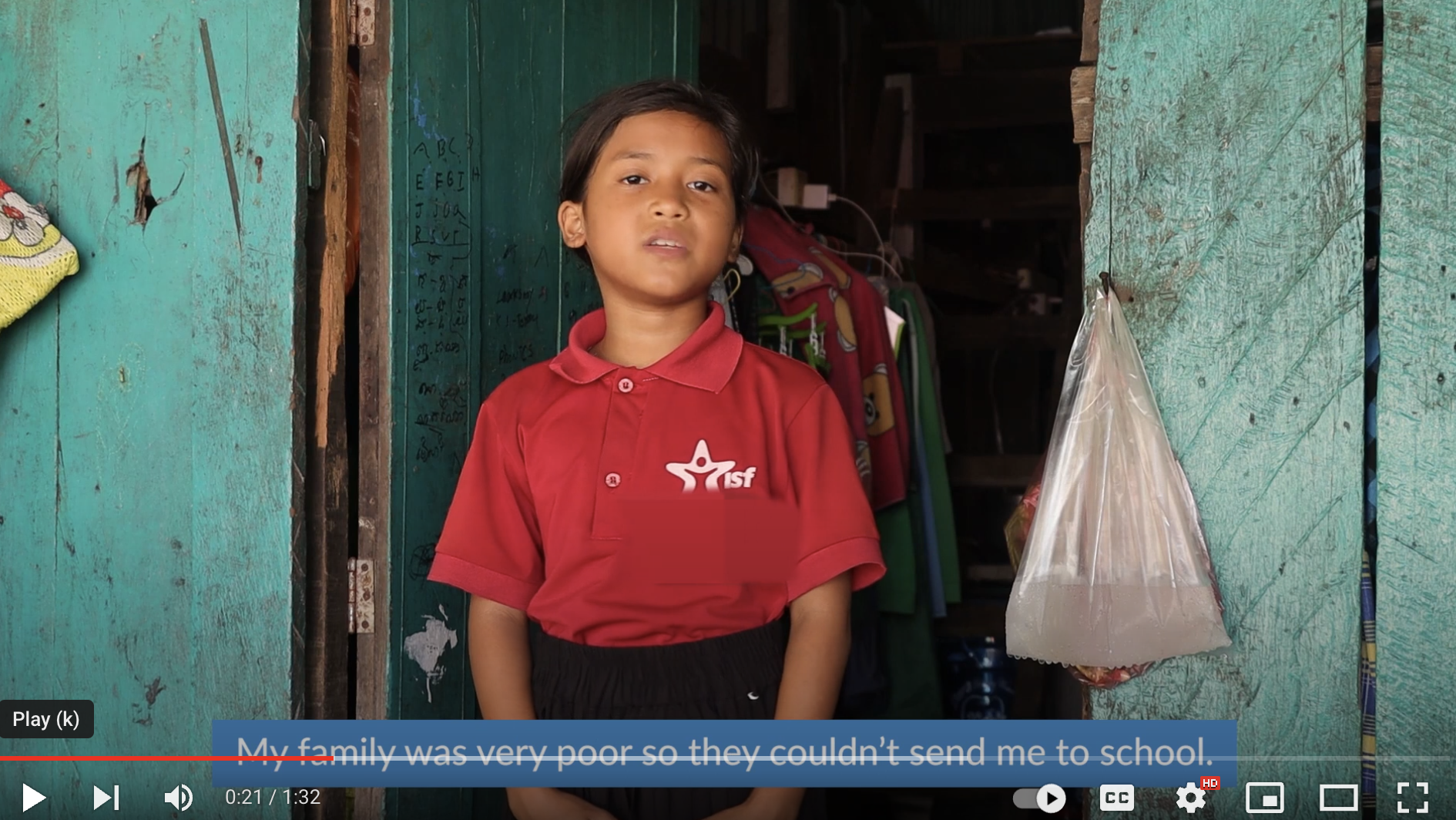
We only need to look at some of our success stories from the last two years to see that these happy endings may be even harder to achieve in the new climate. Most ISF students come from backgrounds of multidimensional poverty, which makes alleviating their situation harder. For example, large families living on limited resources face particular challenges. Take 12-year-old Saren, one of 11 siblings, and the first one to go to school. Poverty kept him out of education in the first place, and it was only by supporting his family through monthly food parcels that we were able to ease their economic pressure enough for him and two siblings to start coming to school regularly. If his older siblings or parents lose their jobs or see their income reduced, his education may be once again put at risk.
Or there’s 11-year-old Ratana, one of the newest students in our catch-up education programme. Her parents – like many of Cambodia’s poorest – are itinerant workers, with her father moving repeatedly between short-term construction jobs. Recent economic shocks has meant that there are now less employment opportunities for workers like Ratana’s father, who will already be under increasing pressure to return to the countryside where work is more available. Were that to happen, Ratana’s education would almost certainly end.

Rachana celebrates a high test scores

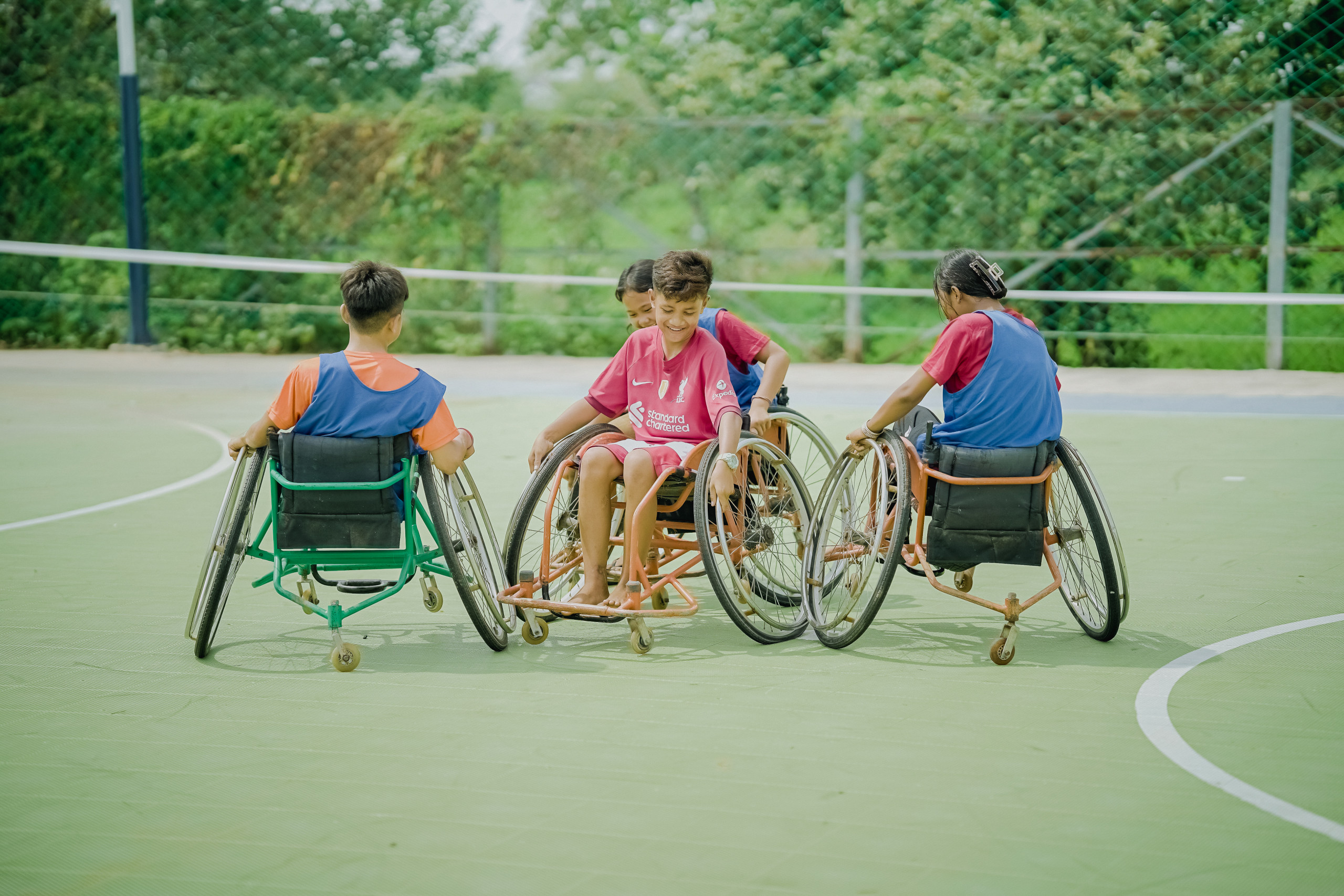
Saren can’t wait to get back on the pitch
Many of our students and their siblings are supported by a single parent, who are themselves under enormous pressure to earn enough money to provide for themselves and their children. 12-year old Rachana’s mother is the sole provider for her family, earning just $150 a month. Whilst Rachana’s mother has always prioritised her education, increasing financial pressures may force her to remove Rachana from school so that she can contribute to the family income. That is one of the reasons she moved from the countryside to Phnom Penh. We support her mother’s dedication to seeing her child educated by providing nutritional support to the family.
We are working hard with each of these disappointed children to help find ways to support their families so that they can return to education. We have increased the frequency of our food parcels to ensure no family goes hungry and kept a close eye on each family’s health to prevent further pressures on their wellbeing.. Where families are simply unable to financially survive without their child earning, we will try to find work for our students which allows them to continue going to school – just as we did for 16-year-old Sopheak, who joined our team as a terrific part-time librarian. However, we know that as families come under increased economic pressure, the time and resources of our limited social work and employment teams will be stretched thin.
That’s why we need your support more than ever. If you are reading this, that must be because you believe in the rights of children to education and development. If you are already actively supporting us, then we want to thank you so much for your help during this challenging period. Your support has enabled us to continue to educate the students in our care, and support their families so that these children can continue to learn and grow every day. If you aren’t supporting us at the moment but can, then just know that by pledging a one off or monthly donation you will be supporting children like Saren, Ratana, Rachana and Sopheak by giving them the chance to get through this pandemic without having to abandon their dreams and futures. We thank you in advance for helping us to help them during this challenging time.
The pandemic will pass, eventually. Recovery will come. But for many children, it will be too late, they will have dropped out of education forever and entered a life with far fewer choices. We can’t reach all of them. But we can reach some – with your help.