Soap for Hope: Reducing health and sanitation-related risks

Soap for Hope: Reducing health and sanitation-related risks
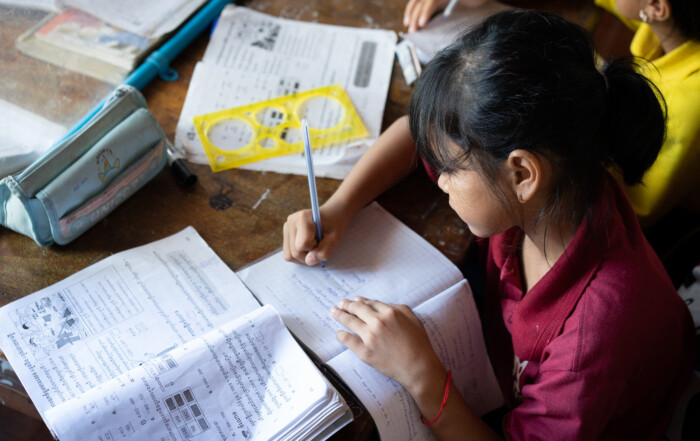
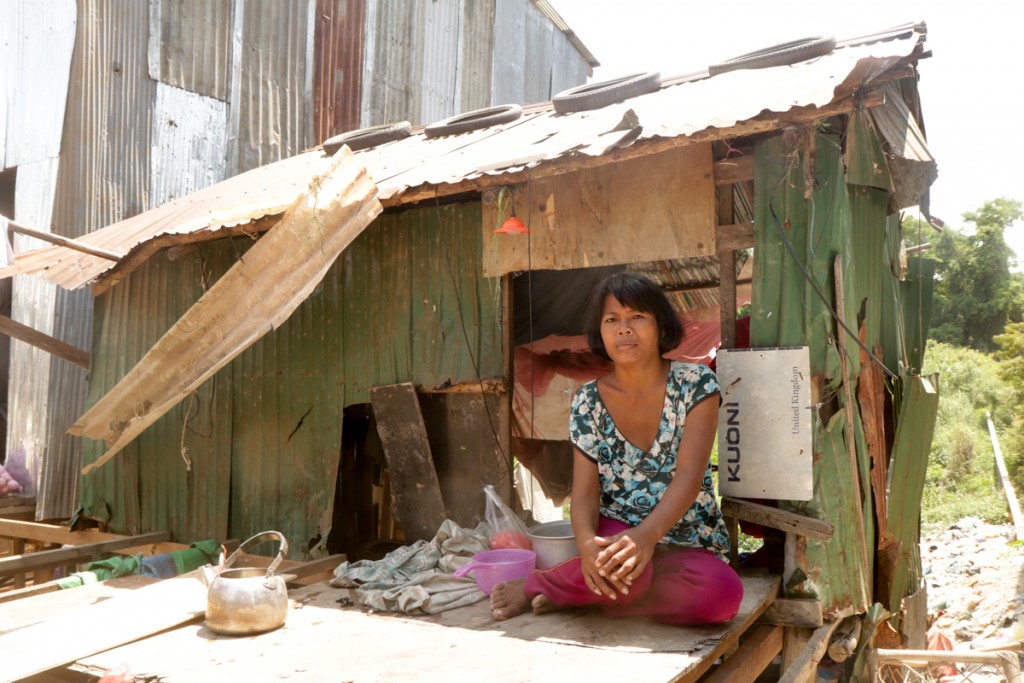
Fifty-five year old Ok Sokoan is a single mother of three who has faced more adversary than most in her life. Both of her youngest children, Vanna and Sreymom*, joined ISF’s Catch-up Education Programme in 2016 and Sreymom is currently studying in grade 6 in state school.
Sokoan used to provide her family by collecting garbage on the street and selling it to a recyclable company – a common, insecure and hazardous job that many of the city’s uneducated population rely on to make ends meet. But, with an earning cap of approximately $2 per day it’s rarely enough.
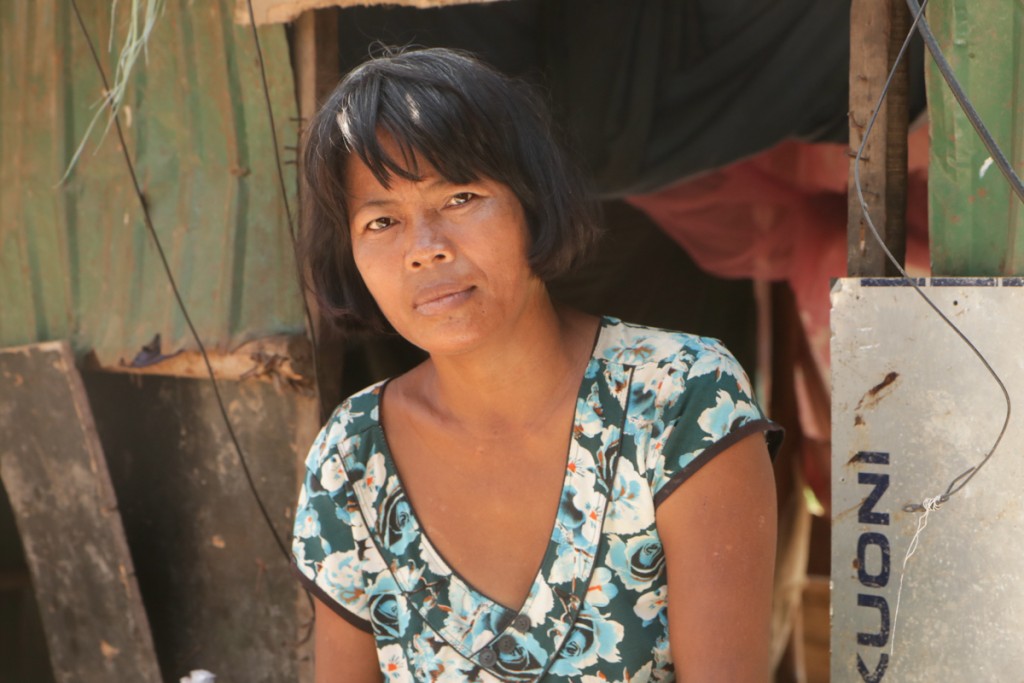
When Sokoan had a stroke, her eldest child Jom, now 20 years old, had to step up and provide for the family so his younger sister could stay in school. Jom works as a construction worker and is the sole provider for the family although Sreymom contributes what she can too and goes door-to-door in the community trying to drum up business doing others’ laundry.
Unfortunately Sokoan’s economic situation is commonplace for urban poor communities in Phnom Penh where over 50% of inhabitants live below the poverty threshold. Socio-economic and structural barriers mean children from these situations are at risk of missing out on an education as well as also being exposed to a number of health and sanitation-related risks. At ISF, we are working to increase access to education and build knowledge on better hygiene practices to improve the health and well-being of our students and their families.
Sokoan and her family receive monthly food parcels from ISF to help compensate for any missed income due to the fact Sreymom is now in school. Included in our provisions are bars of soap from our Soap for Hope project. Through this project, we collect used soap bars from local hotels and put them through a recycling process to disinfect, reshape and make new soap bars available to re-use. Additionally, it employs three community members as soap-makers, giving them training on soap-making and enabling them to earn an extra income to support their families.


Although Sokoan did her best to buy soap for her family before her children joined ISF, receiving it from ISF not only saves her money but she says she feels fresher and better after using it. Sokoan noticed that her family’s skin is looking better too – before it was dry and sometimes blistering but now seems to have cleared up.
When speaking of what she wants in the future, Sokoan tells us that she’d like more soap, more regularly as it sometimes runs out before a new bar is provided. She wants to see her daughter continue to be healthy and happy and to finish school. Sokoan contends that education is the key for her daughter to lift herself out of poverty and hopefully her family too.